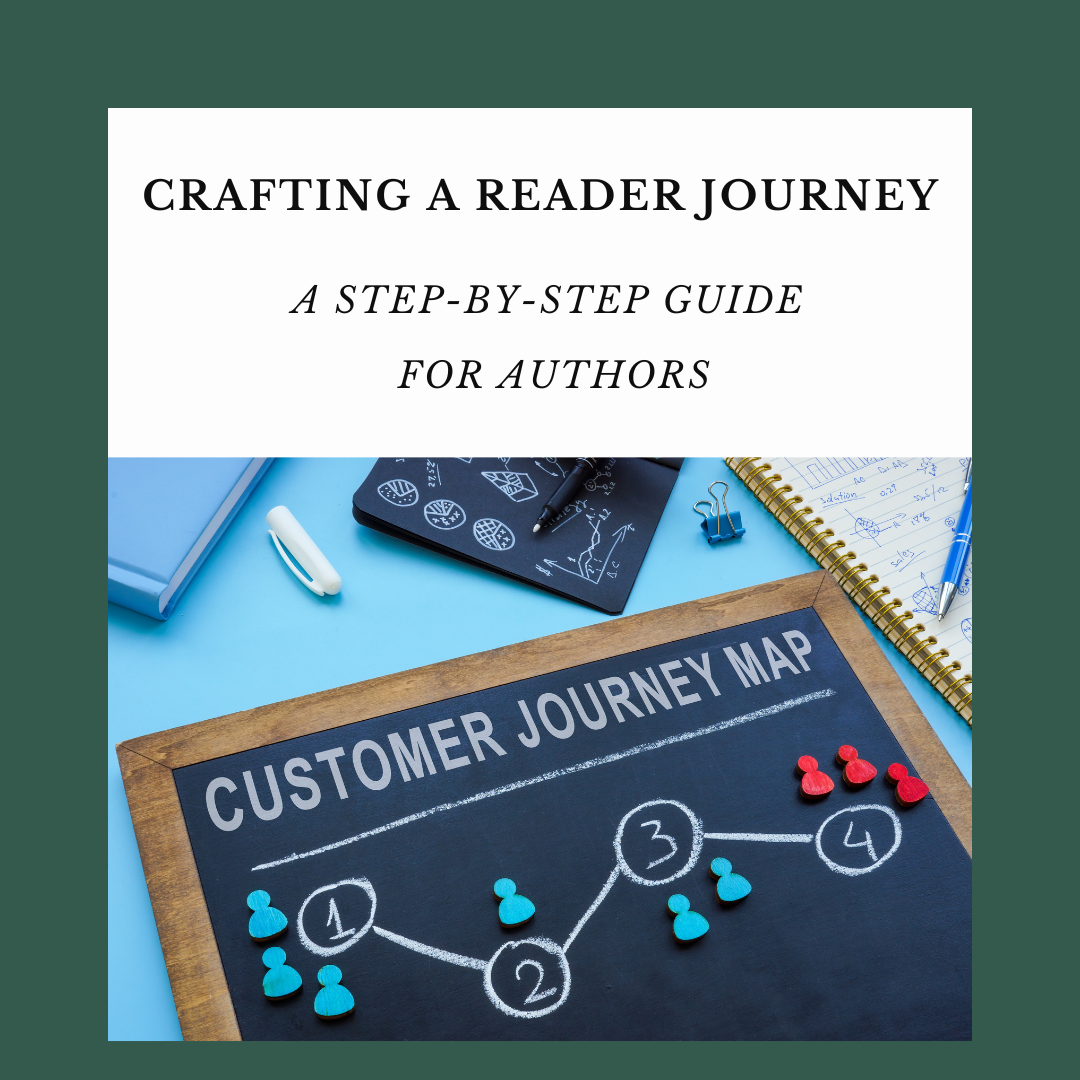
“A well-planned reader journey turns casual visitors into loyal readers and gives your author platform purpose.”
Darla G. Denton | Author Platform Coach
You’ve spent months shaping every word, but your book still feels invisible. Readers click, maybe even buy once, then drift away. That silence usually means your platform lacks structure and direction.
Every author needs a reader journey, the path that moves readers from first discovery to lasting loyalty. Without it, your marketing feels random. With it, every post, email, and update builds connection and trust.
This guide walks you through how to map your reader journey using two free tools:
- Reader Journey Map Template
- Author Platform Reader Journey Audit
Forget vague advice. You’ll learn real, practical steps that help you guide readers from curiosity to devotion.
What Is a Reader Journey?
A reader journey is the intentional path someone follows from discovering your work to becoming a loyal supporter who reads, shares, and recommends what you create.
Every author already has a reader journey, even if it’s unplanned. When that path lacks direction, readers lose interest after a single visit. When it’s intentional, each interaction builds familiarity and connection. A clear visual guide helps you design that path step by step.
A strong reader journey does three things:
- Helps you move from random activity to focused engagement.
- Reveals exactly where readers drop off.
- Turns scattered readers into steady fans.
When you guide readers with purpose, you stop relying on chance and start building real momentum.
“A reader journey gives structure to how readers find, follow, and grow with your work, it turns curiosity into connection.”
Darla G. Denton | Author Platform Coach

The 5 Stages of a Reader Journey
A reader journey works like the story arc of your author platform. Readers enter as strangers, explore your world, and gradually become devoted supporters. Each stage represents a different level of connection and understanding how readers move through them helps you plan every step intentionally.
The table below shows how readers naturally behave at each stage of the reader journey for authors, along with the actions you can take to keep that connection growing.
| Stage | Reader Behavior | Author’s Focus / Next Step |
| 1. Awareness / Discovery | The reader stumbles across a post, reel, or quote you shared on social media. It catches their attention, so they click to follow or subscribe for more. | Strengthen visibility through consistent, branded content. Use audience research to post where your readers already spend time. Keep your tone authentic and your visuals recognizable. |
| 2. Interest / Consideration | The reader hears someone recommend your book or sees it on a “books to try” list in a Facebook group, Reddit thread, or newsletter. Curious, they check your website or add your book to their TBR list. | Make learning about you easy. Keep your website and book pages updated, engaging, and clear. Use your reader journey map to connect these touchpoints and guide their next step. |
| 3. Engagement / Conversion | The reader sees an ad, post, or email featuring your book or resource. They click through and either add your book to their cart or sign up for a free download that connects to your world. | Simplify conversions. Make your CTAs, links, and sign-up or purchase pages seamless. Follow up with a friendly thank-you or an added bonus that encourages continued interaction. |
| 4. Retention / Loyalty | The reader starts opening your newsletters, joins your online community, or preorders your next release. They engage with other readers and enjoy seeing you participate occasionally. | Stay consistent and present. Share meaningful updates, behind-the-scenes looks, and appreciation for your readers. Keep them involved without overwhelming their inbox or feed. |
| 5. Advocacy / Devotion | The reader begins recommending your books to friends, posting about them online, and buying every new release. They feel proud to be part of your community. | Encourage advocacy. Recognize and thank your readers publicly, highlight fan content, and offer exclusive perks to your most loyal supporters. This builds organic promotion and lasting community. |
A reader journey map helps you see these stages clearly. It shows exactly where readers discover you, where they drop off, and where they turn into advocates. When you plan your platform around how readers actually behave, your outreach stops feeling forced and it starts feeling personal and genuine.
“Each stage of the reader journey is a small act of guidance that turns first contact into lasting loyalty.”
Darla G. Denton | Author Platform Coach
Have a question about your own reader journey? Sometimes a quick conversation can bring more clarity than hours of guessing. You can email me directly with your questions, and I’ll help you figure out where your readers are dropping off and what to focus on next.
Not sure how to define your ideal reader before mapping their journey?
This post gives you a five-step system to research real reader behavior so your platform decisions aren’t based on guesses. Learn how to build personas that actually reflect the people you’re trying to reach.
Reader Journey Examples in Action
A strategic outline helps you view these stages as one connected path instead of isolated moments. It shows where readers discover you, when they start engaging, and what keeps them coming back. Planning your author platform around how real readers behave turns every touchpoint into part of a story that feels natural to them.
Now that you know how each stage works, let’s see what this looks like in action. The following two timelines show a full reader journey, one for a fantasy fiction writer and one for a self-help nonfiction author. Each one follows a reader from first encounter to lifelong advocacy.
| Fantasy Author Example: From Curiosity to Devotion | Self-Help Author Example: From Interest to Impact |
| 1. Awareness / Discovery A new fantasy reader is scrolling TikTok when a short video catches their eye. The author reads a few lines describing a moonlit tavern filled with travelers. The scene feels alive, and the caption teases “Every legend starts with a drink and a dare.” They like the post and click “Follow.” | 1. Awareness / Discovery A busy professional browses YouTube looking for stress-relief videos and finds one titled “How to Focus When Your Brain Refuses to Cooperate.” The self-help author explains a quick breathing reset that actually works. The viewer subscribes for more short advice clips. |
| 2. Interest / Consideration Later that week, the reader spots the same author mentioned in a fantasy Reddit group. Curious, they visit the author’s website. A free “World Explorer’s Guide” pops up, filled with maps, sketches, and lore. They download it and start reading about the history of a mysterious forest. | 2. Interest / Consideration In a LinkedIn post, someone shares a quote from the same author’s video. The reader clicks through to the author’s website and finds a free guide called “The 5-Minute Clarity Method.” It promises practical steps for overwhelmed creatives, so they enter their email to grab it. |
| 3. Engagement / Conversion A few days later, the fantasy reader receives a welcome email with a “Which Guild Would You Join?” quiz. The results lead to bonus art and a short lore story. When they see the author’s book The Ember Accord appear in their Amazon recommendations, they buy it. | 3. Engagement / Conversion After downloading the guide, the self-help reader receives a short follow-up email inviting them to a 20-minute live “Focus Reset” session. They attend, find it genuinely helpful, and buy the author’s book Quiet the Noise right after the session ends. |
| 4. Retention / Loyalty The fantasy reader finishes The Ember Accord and wants more. They join the author’s reader forum to talk theories, share art, and spot early sketches for book two. The author occasionally drops in with behind-the-scenes notes. The reader preorders the sequel the moment it’s announced. | 4. Retention / Loyalty The self-help reader starts opening the author’s weekly “Focus Notes” emails. Each one includes a single tip and a short story about another reader’s success. The author replies personally to comments in the email thread, which keeps the connection personal and motivating. |
| 5. Advocacy / Devotion The fantasy reader becomes a proud member of the author’s “Ambassador Guild.” They share fan art on social media, gift The Ember Accord to a friend, and leave a five-star review. When the next release drops, they post about it on launch day without being asked. | 5. Advocacy / Devotion The self-help reader shares their success story in a Facebook group for freelancers, tagging the author’s book. The author reposts it with gratitude. The reader now recommends the author’s work to coworkers and buys new courses the moment they’re released. |
These examples show how the reader journey for authors transforms discovery into devotion. Each touchpoint adds meaning, trust, and continuity.
Not sure which type of support fits your goals right now? Every author platform has unique strengths and challenges. Explore my coaching services to see how we can strengthen your foundation and create a plan that fits your genre, experience level, and readers.

How to Map Your Reader Journey (Step-by-Step)
Now that you understand the five stages, it’s time to create your own reader journey map. This process gives you structure, focus, and a way to track what’s actually working on your author platform. Whether you’re a published author or still preparing to release your first book, mapping your reader journey helps you connect with readers before and after launch.
1. Identify Your Current Touchpoints
Start by listing every place a reader can find you. Think about where first contact happens: social media, your website, podcasts, newsletters, or online bookstores. These are your touchpoints, the moments that form first impressions.
Tip: Look at your data. Which platforms get comments, clicks, or shares? Focus there first. Posting everywhere spreads you thin and confuses your message.
For new authors: If you don’t have readers yet, begin with one touchpoint where your audience already spends time. That could be Instagram, TikTok, or a blog tied to your genre or message. Build visibility with consistent, story-based posts that attract curiosity, not just followers.
2. Map the Five Stages
Use your free Reader Journey Map Template to outline how readers move, or drop off, at each stage. Think about what happens when someone finds you, shows interest, subscribes, engages, and finally shares your work.
Ask yourself:
• How do new readers discover me?
• What makes them stay?
• What encourages them to act?
• What do I offer that keeps them coming back?
• How do I invite them to share my work?
Tip: Focus on transitions. The key to a strong reader journey for authors is guiding readers from one stage to the next without confusion. For example, end each blog post with a link to your newsletter or free resource.
For new authors: Replace “book” with “content.” Offer a free sample of your writing, a short story, or an email mini-series that introduces your world or message. Build your reader journey map before launch so readers are waiting when your book arrives.
3. Spot Weak Points
Grab your Author Platform Reader Journey Audit sheet and look for friction. Are readers visiting but not subscribing? Are subscribers reading but not clicking? Do followers engage once, then vanish?
Tip: Pay attention to tone and consistency. If your social voice feels warm but your website sounds stiff, readers disconnect. Small mismatches create big drop-offs.
For new authors: You may not have metrics yet, but you can still test engagement. Track how people respond to different post types (quotes, polls, or short clips) and use what performs best to refine your message.
4. Create a Next-Step Path
Every touchpoint should lead somewhere. Readers need gentle direction, not pressure. If they read your blog, invite them to join your newsletter. If they follow you on social media, guide them to a free resource, bonus chapter, or your book’s landing page.
Example Path:
Social Post → Free Resource → Newsletter → Book → Community
Tip: Keep your next step clear and visible. Add one simple call to action per page, post, or email. Readers should never have to wonder what to do next.
For new authors: If your book isn’t ready yet, replace the “book” step with a connection point. That could be a reader survey, a behind-the-scenes update, or a small giveaway that keeps your audience engaged while you prepare to launch.
A well-mapped reader journey creates direction instead of chaos. It turns scattered efforts into a connected experience that leads readers from discovery to loyalty in a way that feels easy, personal, and real.
“When you know each step of your reader journey, you stop hoping readers will stay and start giving them reasons to return.”
Darla G. Denton | Author Platform Coach
Want an expert set of eyes on your author platform? Let’s walk through your reader journey together and find what’s working and what needs clarity. Schedule a free 30-minute video chat, and you’ll leave with a focused plan for moving your platform forward with confidence.
Want to guide your readers but also make them care?
This piece helps you bring emotion and storytelling into every touchpoint. Use the storytelling framework to turn your emails, posts, and blogs into something your readers remember and share.
Final Thoughts: Build Connection, Not Chaos
A thriving author platform grows through relationships, not algorithms. When you design your reader journey, you give readers a path to follow instead of leaving them to wander.
Every post, email, or conversation becomes a gentle guide that moves readers forward. The most successful authors don’t chase trends, they build steady, genuine connection.
“A strong reader journey doesn’t end with a sale, it begins a relationship that keeps growing long after the last page.”
Darla G. Denton | Author Platform Coach
Once readers are in your world, how do you keep them close?
Learn how to build a space where your audience feels seen, heard, and part of something bigger. This post focuses on connection over numbers and how to grow a community that supports your work long term.
Free Resources to Build Your Reader Journey
Take what you’ve learned and turn it into action with these two free tools. Each one helps you understand where readers are connecting and where they’re drifting away.
Reader Journey Map Template
Visualize your entire reader experience from first discovery to lasting loyalty.
Inside you’ll find:
- A five-stage journey map to track every interaction.
- Space to list and evaluate your key touchpoints.
- Prompts to identify where readers lose interest.
- Examples of how to rebuild connection at each stage.
Author Platform Reader Journey Audit
Find what’s holding your platform back and fix it fast.
Inside you’ll find:
- An audit guide for every stage of your reader journey.
- Questions to pinpoint weak engagement areas.
- Action tips to rebuild clarity and consistency.
- A simple framework to track improvement over time.
Ready to Turn Your Reader Journey into Real Growth?
You’ve mapped your reader journey and found where readers fall away. Now it’s time to turn that insight into strategy.
Platform Jumpstart
Perfect for authors starting out or rebuilding from scratch.
You’ll learn how to:
- Define your ideal reader and where to reach them.
- Build your first structured reader journey.
- Create consistent systems for growing engagement.
- Leave with a 90-day plan designed for real momentum.
Platform Revamp
For established authors ready to refine and scale.
You’ll learn how to:
- Audit your current platform for performance gaps.
- Rebuild your reader journey to increase loyalty.
- Strengthen your voice, branding, and engagement flow.
- Walk away with a customized growth strategy that lasts.

Leave a Reply